Disclosure: This post contains affiliate links. I may earn a small commission at no extra cost to you if you purchase through these links.
My dishwasher broke last winter — separate van life saga, don’t ask — and while I waited on the part, I fell down a three-week rabbit hole comparing robot vacuum and mop combos for the sticks-and-bricks place I keep for the off-season. Too many nights cross-referencing suction specs and dock features instead of sleeping. Came out the other side with a pretty clear picture of what’s actually worth buying right now and what’s marketing fluff stacked on a spinning brush.
If you’ve started shopping for a best robot vacuum and mop combo recently, you already know the category is a mess. Every brand claims “20,000Pa suction” like that number means something on its own. Every dock claims to be “hands-free.” Half the listings on Amazon are the same robot with three different model numbers depending on which retailer you’re looking at. I’m walking through six models I actually dug into — from a budget LiDAR bot under $200 to a roller-mop flagship pushing $600 — and telling you who each one is actually for.
This isn’t a “top 10 best robot vacuums” listicle copy-pasted from a spec sheet. I own a couple of these categories of machines myself, for the van and the house, and I’ve read enough teardown reviews — shoutout to Vacuum Wars, those guys actually open the things up — to know which numbers matter and which ones just make a press release sound impressive.
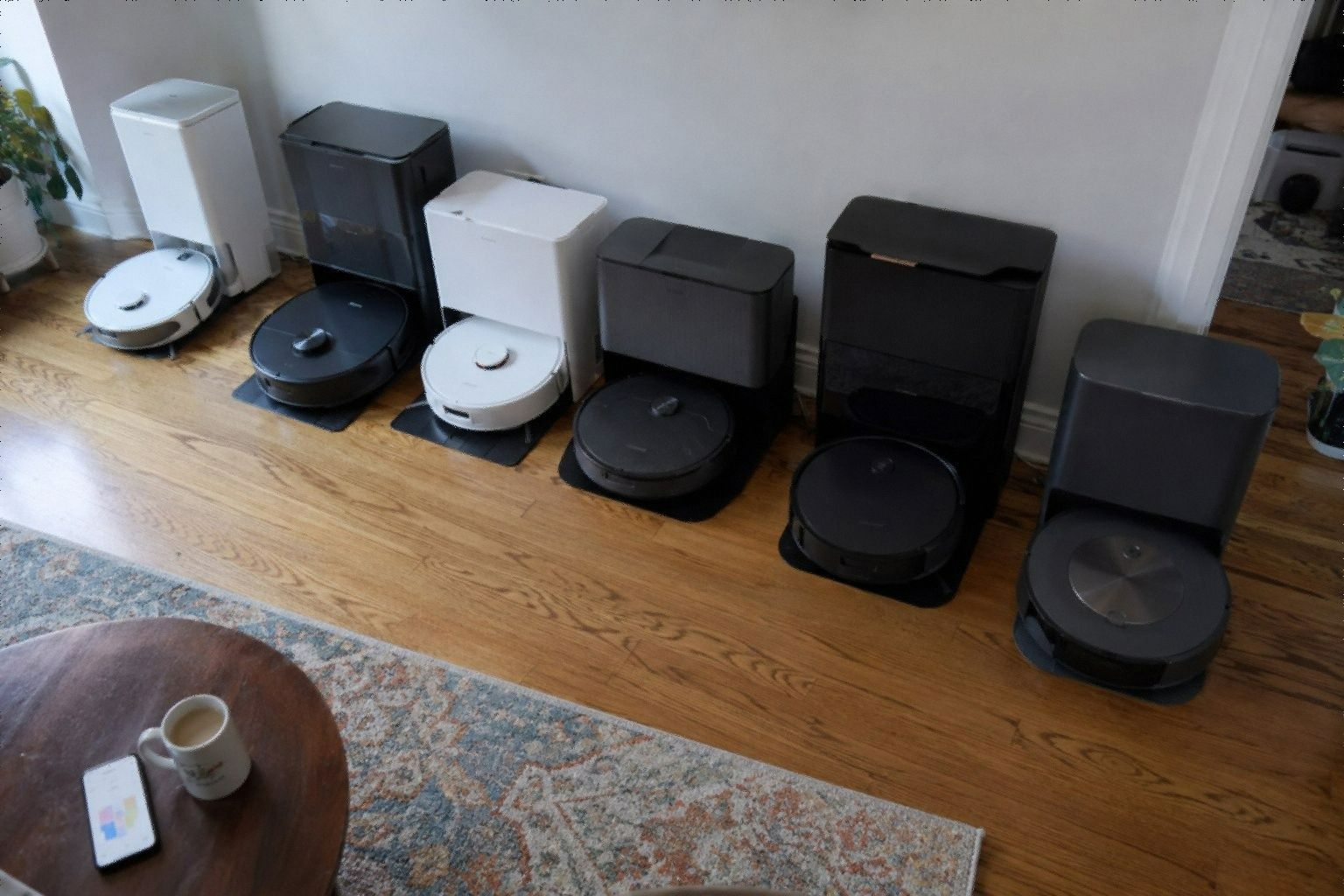
Why “Best Robot Vacuum and Mop” Actually Means Something Different for Everyone
The Suction Number Isn’t the Whole Story
Pascals (Pa) measure static suction pressure, not actual cleaning performance. A robot rated at 25,000Pa can still underperform a 10,000Pa robot if the airflow is bad or the brush design lets hair build up and choke the intake. I learned this comparing spec sheets that all looked similar on paper but performed totally differently in independent lab tests.
What actually matters more than the suction number: brush design (does it tangle on hair), mop mechanism (passive pad vs. self-washing roller), and dock automation (does it really empty/wash/refill itself, or does it just empty the dustbin and leave you to deal with a soggy mop pad).
Self-Emptying Isn’t the Same as Hands-Free
A lot of “self-emptying” robots only handle the dust. You’re still pulling out a dirty mop pad and hand-washing it every few days, which kind of defeats the point if mopping is why you bought the thing. The combos that actually deliver hands-free operation wash and dry the mop and refill the water tank and empty the dustbin — that’s the real bar for “best robot vacuum and mop,” not just “self-emptying” on the box.
If you’re cross-shopping and want a deeper breakdown of suction specs across brands, I wrote up a full robot vacuum suction power guide a while back that’s still pretty relevant for figuring out what Pa numbers mean for your specific floors.
The 6 Robot Vacuum and Mop Combos Worth Your Money
I split these into rough tiers: flagship roller-mop systems, mid-range all-in-one docks, and budget picks that don’t pretend to be something they’re not.
eufy E25 Omni: The Roller-Mop Heavyweight
The eufy E25 is probably the single most interesting robot vacuum and mop combo I looked at this round, mostly because of its HydroJet system. Instead of the usual spinning pad mops, this thing uses a rotating roller mop that gets rinsed in real-time at 170 RPM using a dual water reservoir, removing tiny dirt particles other mops just smear around. That’s a meaningfully different approach than the dual-pad systems most competitors are still running.
On suction, eufy is advertising 20,000Pa with the ability to run hands-free for up to 68 days thanks to DuoSpiral anti-tangle brushes and detection of 200+ objects. Independent testing backs this up pretty well — third-party lab results showed the E25 hitting 0% hair tangling in a 7-inch hair test, way better than the 38% average tangle rate among competing robots. It also pulled 88% of embedded debris in carpet deep-clean testing, well above the 75% category average.
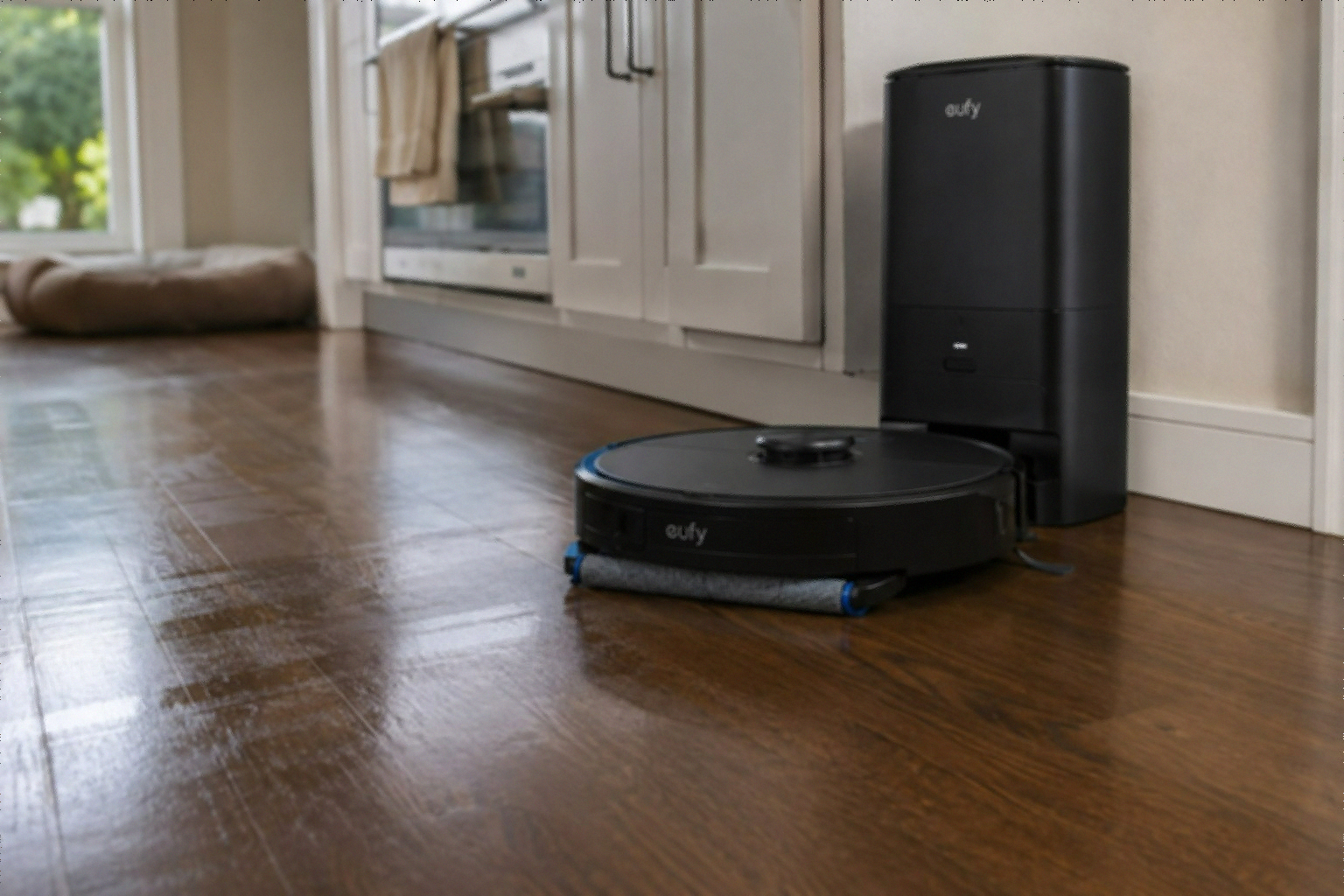
Pro Tip:** If you’ve got long-haired pets or kids who shed hairbands and elastics everywhere, the roller mop + DuoSpiral combo on the E25 solves the gross hair-wrapped-mop problem that plagues cheaper spinning-pad robots.
This is the one I’d point a friend toward if they want the closest thing to “set it and forget it” floor care and don’t mind paying flagship pricing. Check the current price and availability on the eufy E25 HydroJet Robot Vacuum and Mop.
Dreame L40 Ultra Gen 2: Maximum Suction, Maximum Coverage
If raw suction numbers are your thing, the Dreame L40 Ultra Gen 2 is sitting at 25,000Pa, among the strongest consumer robot vacuums currently on the market. It pairs that with an extendable side brush and an extendable mop arm, so it actually reaches into corners and along baseboards instead of leaving that telltale dirt outline lazier robots skip.
The dock is a full all-in-one self-emptying and cleaning station with voice and app control, putting it in direct competition with the eufy E25 on the “do everything automatically” front. Dreame’s broader L-series lineup has been steadily moving toward roller-style mops too (that’s what their newer Aqua10 line is built around), but the L40 Ultra Gen 2 specifically still runs Dreame’s dual rotary mop heads — a slightly different philosophy than eufy’s single roller. More surface contact area, but theoretically a bit more upkeep on the wash cycle.
⚠️ Watch Out: I noticed some Dreame L-series models offer the cleaning solution auto-dispenser as a separate add-on module rather than built in standard. Worth double-checking the listing before you buy if automatic detergent dosing matters to you.
If you’ve got a bigger floor plan and want suction headroom for thick carpet, this is worth a look: Dreame L40 Ultra Gen 2 Robot Vacuum and Mop.
Roborock Q7 M5: The Budget Suction Sleeper
This one surprised me. The Roborock Q7 M5 is priced like a budget bot but delivers 10,000 Pa HyperForce suction with a Dual Anti-Tangle System combining a JawScrapers comb main brush and an anti-tangle side brush, all on 360° LiDAR navigation.
The catch, and there’s always a catch at this price: third-party testing found it struggled with hair tangles, with 43% of long hair wrapping around the brush, and it lacks mop lifting. So if you’ve got carpet mixed with hard floors and shedding pets, the lack of automatic mop lift means you’ll want to set up no-mop zones manually so it doesn’t drag a wet pad across your rug. The auto-empty dock also doesn’t refill water automatically, and there’s no mop washing or drying capability — you’re detaching the robot to top up the tank yourself.
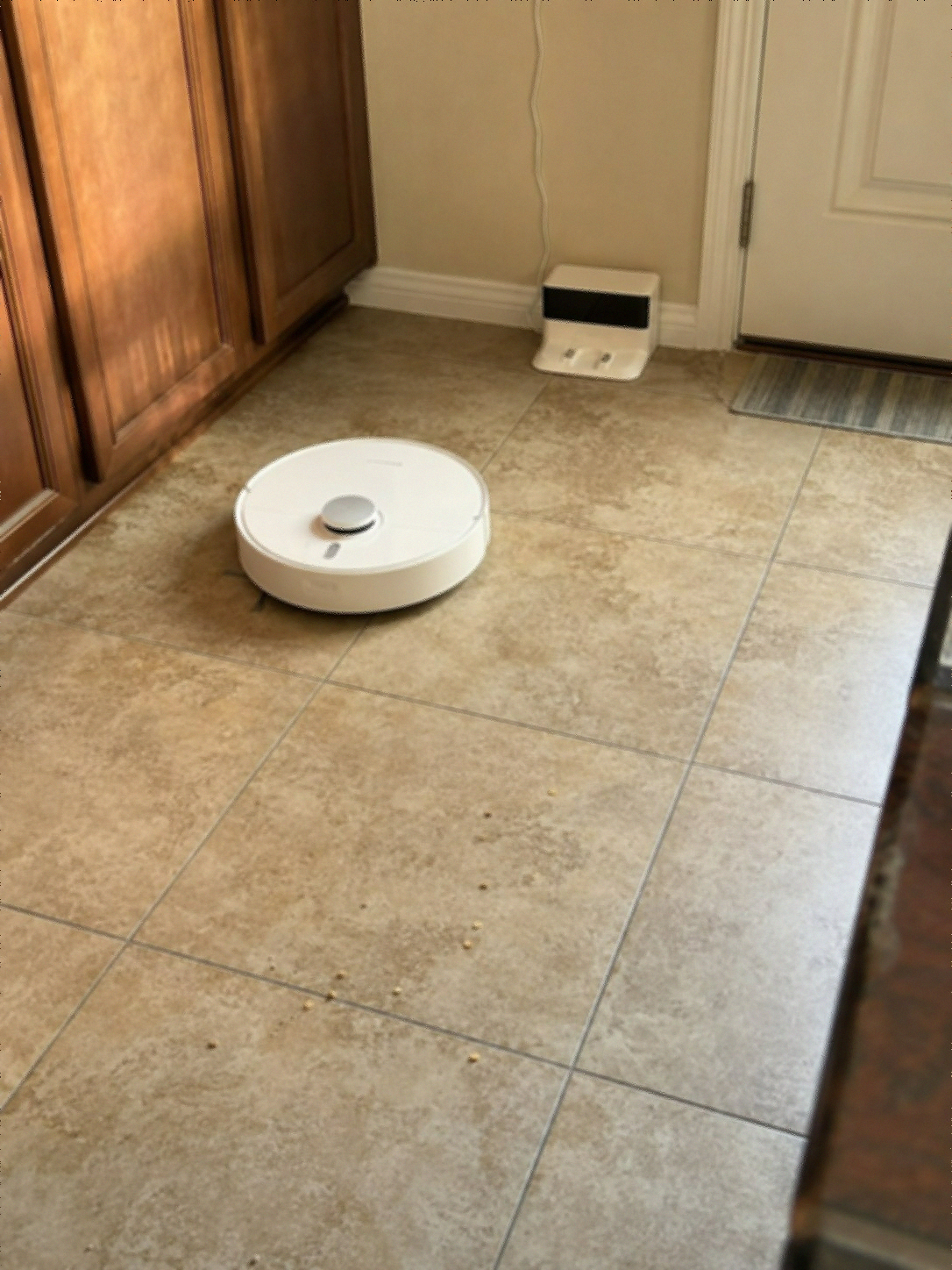
That said, for the price, the suction-to-dollar ratio is hard to beat. Reviewers note the Q7 M5+ version with the auto-empty dock sells at a similar price point to competitors with fewer features, and the dock can hold up to seven weeks of debris before the bag needs replacing. This is the “I want strong vacuuming and don’t care that much about mopping” pick: Roborock Q7 M5 Self-Emptying Robot Vacuum.
If you’re trying to decide between Roborock’s lineup and eufy more broadly, I went deep on that exact comparison in [Eufy E25 vs Roborock Qrevo], which covers a lot of the same suction-vs-mop-tech tradeoffs from a different angle.
Tikom L8000 Plus: LiDAR and Self-Emptying Without the Flagship Price
The Tikom L8000 Plus earns its spot here because it brings LiDAR navigation and a self-emptying base to a genuinely entry-level price point — features that, until pretty recently, were locked behind midrange and premium robots. In independent testing it delivered solid vacuuming performance and efficient navigation, but mopping performance, hair tangling, and battery efficiency landed significantly below average.
Dig into the numbers a bit more and you’ll see why: it performed slightly above average in carpet deep cleaning, removing 79% of embedded sand, and excelled in flattened pet hair pickup at 89.5%. Solid vacuuming for the price tier. The self-emptying base holds debris for up to 60 days according to lab tests (Tikom’s own marketing claims up to 90 days), reasonable if not class-leading.
Where it falls down is mopping — the mop attachment functions more like a bolt-on drag plate than a core engineered feature, and there’s no auto mop lift, so you need to set up zones carefully in the app to avoid dragging it across carpet. Treat this one as a great budget vacuum that happens to also mop, rather than a true vacuum-and-mop combo. Find it here: Tikom L8000 Plus Self-Emptying Robot Vacuum.
Shark Stratos NeverTouch AV2700ZE: The Bagless Hands-Off Pick
Shark’s approach with the Stratos NeverTouch is different from everyone else on this list in one specific way: the NeverTouch base self-empties debris into a 60-day capacity bagless bin, refills water for up to 30 days, and automatically washes and dries the mop after every clean. No disposable dust bags to keep buying — a real long-term cost saver that doesn’t get talked about enough in robot vacuum reviews.
On the cleaning side, it uses Sonic Mopping which scrubs hard floors up to 100 times per minute, plus precision LiDAR mapping with no-go zones and AutoLift technology that raises the mop over carpet automatically to prevent wet messes. HEPA filtration with Anti-Allergen Complete Seal traps 99.97% of dust and allergens per ASTM F1977 testing, which matters if anyone in the house deals with allergies.
The honest tradeoff, per independent reviewers: it occupies a middle position in Shark’s lineup, introducing mop automation the older Matrix Plus lacked without reaching the full sensor suite of the premium PowerDetect models, and Shark doesn’t publish official Pascal suction ratings, which makes direct comparisons against Dreame, Roborock, or eufy frustrating. Still, the bagless dock and genuinely complete mop-wash cycle make this a strong “I never want to touch this thing” option: Shark Stratos NeverTouch AV2700ZE.
iRobot Roomba 105 Combo: The Name-Brand Safety Pick
I’ll be honest, the Roomba brand carries weight just because it’s the one your in-laws have heard of. The 105 Combo brings a 4-stage cleaning system with power-lifting suction, an edge-sweeping brush, a multi-surface brush, and a washable microfiber mop pad, navigated by ClearView LiDAR. The standout feature for mixed-floor homes: it automatically detects and avoids mopping carpets, so rugs stay dry without you having to manually program zones.
The AutoEmpty dock self-empties for up to 75 days, and you can choose between vac-only, mop-only, or combo vac-and-mop modes through the app. It doesn’t have the roller-mop tech or the all-in-one wash-and-refill automation of the eufy or Dreame flagships — this is squarely a “reliable mid-tier combo from a brand people trust” pick rather than a spec-sheet winner. If brand recognition and a dead-simple no-mop-on-carpet feature matter more to you than chasing Pascal numbers, it’s a reasonable buy: iRobot Roomba 105 Combo with AutoEmpty Dock.
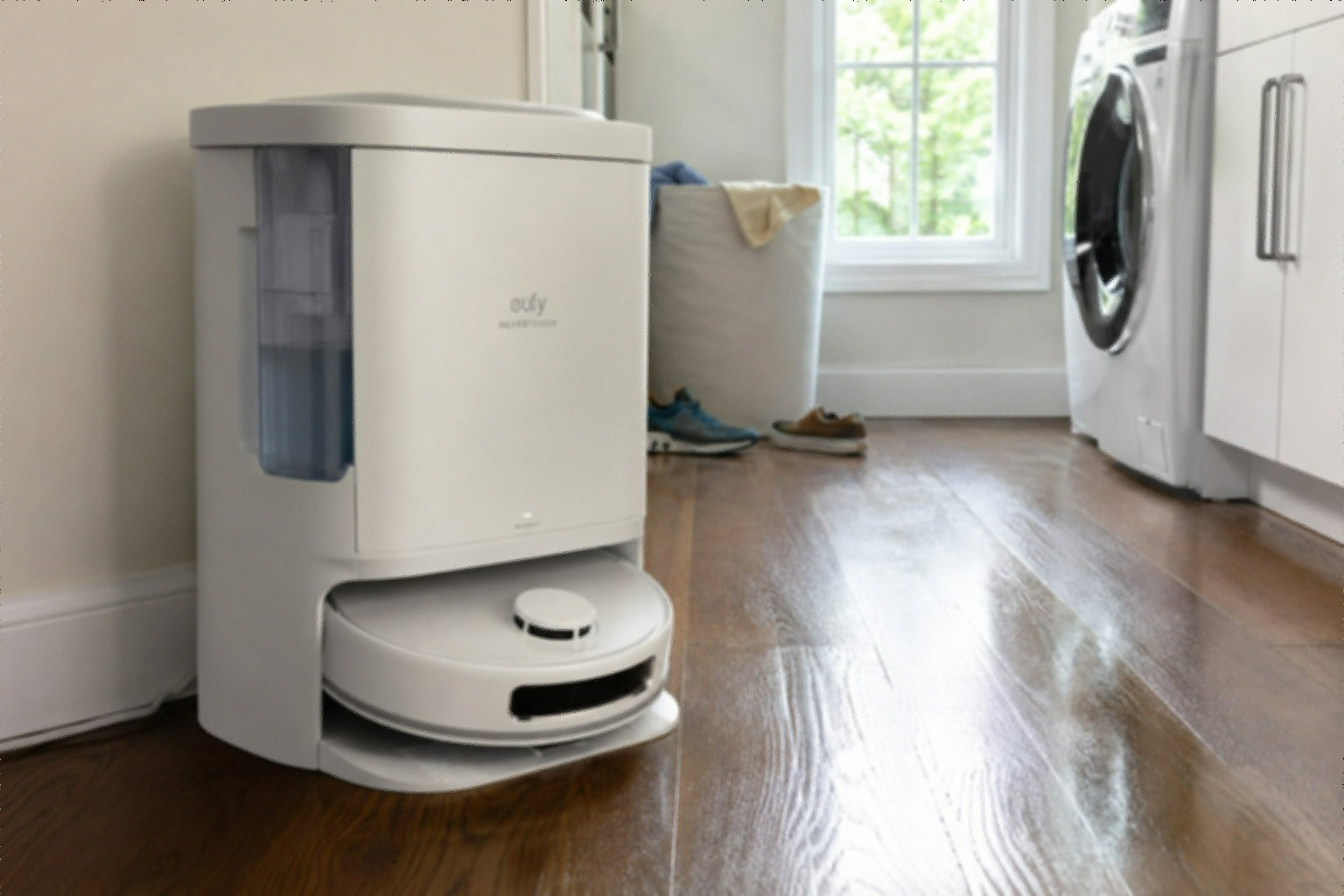
Best Robot Vacuum and Mop Comparison Table
| Model | Suction | Mop Type | Self-Empty Duration | Best For |
|---|---|---|---|---|
| eufy E25 Omni | 20,000Pa | HydroJet roller, self-rinsing | ~68 days | Pet hair + true hands-free |
| Dreame L40 Ultra Gen 2 | 25,000Pa | Dual rotary pads, extendable | All-in-one dock | Max suction, big homes |
| Roborock Q7 M5 | 10,000Pa | Single fixed pad, manual fill | ~7 weeks (bag) | Budget suction, hard floors |
| Tikom L8000 Plus | 6,000Pa | Fixed drag pad | ~60 days | Budget LiDAR vacuum-first |
| Shark Stratos AV2700ZE | Not published | Sonic mop, auto wash/dry | 60-day bagless bin | No-bag hands-off cleaning |
| iRobot Roomba 105 Combo | Not published (Pa) | Microfiber pad, avoids carpet | ~75 days | Mixed floors, brand trust |
What I’d Tell My Past Self
Rewind to before I started this research binge, and here’s what I wish someone had told me upfront: stop chasing the Pascal number. I almost talked myself into the Dreame purely because 25,000Pa sounded the most impressive on paper, and for a one-bedroom apartment with mostly hardwood, that’s overkill. The eufy’s roller mop tech is the more interesting engineering story this year, but it’s also priced like it knows that.
The other thing I’d tell myself: read the actual lab reviews, not just the Amazon bullet points. Every brand’s own marketing copy reads almost identically — “powerful suction,” “hands-free,” “smart navigation.” It’s the independent teardown tests — hair tangle percentages, actual debris removal rates, real mop-pad streaking — that tell you which robot is full of it and which one backs up the claims. The Roborock Q7 M5 looked amazing on spec alone and only revealed its mopping weaknesses once I found the lab data on hair tangling.
And don’t sleep on the boring stuff like dust bag costs. A robot that’s $100 cheaper upfront but needs $15-a-pack replacement bags every six weeks isn’t actually the better deal over two years.
FAQ
What’s the difference between a roller mop and a pad mop on a robot vacuum? A roller mop (like eufy’s HydroJet system) spins continuously and gets rinsed with clean water in real time, which generally does a better job of not smearing dirty water around. Pad mops are flat cloths that drag or spin in place — simpler and cheaper, but they get dirty fast and need more frequent washing to stay effective.
Do I need 20,000+ Pa of suction for a normal house? Probably not. Suction needs scale with carpet thickness and pet hair volume more than square footage. A 6,000–10,000Pa robot handles most hard-floor homes fine; go higher if you’ve got medium-to-thick pile carpet or multiple shedding pets.
Will a robot mop ruin my hardwood floors? Modern combos with mop-lift technology (Dreame, eufy, Shark, and the newer Roborock and iRobot models) automatically raise the mop pad over carpet and use controlled water flow on hard floors, so the risk is low if the feature is working correctly. Cheaper models without mop lift are riskier around rugs.
How often do I need to replace the dust bag on a self-emptying dock? Depends on the bag capacity and household. Most of the models here claim 60-90 days per bag under normal use, but homes with multiple pets or heavy foot traffic will hit that limit faster. Bagless docks like the Shark Stratos skip this cost entirely.
Is it worth paying extra for obstacle avoidance cameras? If you’ve got kids, pets, or a generally cluttered floor, yes — it saves you from picking up cords and toys before every clean and prevents the robot from smearing pet messes across your floor. If your home is already tidy and minimal, you can save money skipping this feature.
Final Verdict
There’s no single best robot vacuum and mop for everyone, which is a little annoying to admit after three weeks of research, but it’s the truth. If budget isn’t the constraint and you want the most hands-off experience possible, the eufy E25 Omni’s roller-mop system is the most technically interesting and best-tested option on this list right now. If you need max suction for a bigger home with thick carpet, the Dreame L40 Ultra Gen 2 has the horsepower. And if you just want a vacuum that happens to mop without spending flagship money, the Roborock Q7 M5 or Tikom L8000 Plus will do the job — just go in knowing the mopping is the weaker half of that equation.
For more on getting the most out of whichever one you land on, my guides on the best robot vacuum under $500 and best robot vacuums for pet hair dig into budget tiers and pet-specific picks in more detail if you want to keep comparing before you buy.